
Building a home gym can be exciting.
But it can also get expensive very quickly.
Scroll through social media and you'll see home gyms filled with machines, specialty equipment, accessories, and enough weight plates to outfit an entire commercial gym.
And it can leave you wondering:
"Do I really need all of that?"
Probably not.
One of the biggest mistakes we see when people start building a home gym is buying equipment before figuring out what they actually need.
The good news?
You can build an incredibly effective home gym with a relatively small amount of versatile equipment.
At Stronger Together Fitness, we believe your home gym should be built around your goals, your space, and your budget—not around having the most equipment possible.
Here's what we'd skip, what we'd prioritize, and where we'd put our money instead.
1. You Don't Need a Machine for Every Exercise
This is one of the easiest ways to overspend.
You don't need one machine for chest, another for back, another for shoulders, another for legs, and another for every muscle in between.
A well-chosen piece of multifunctional equipment can give you dozens of exercises.
For example, a functional trainer can be used for:
- Rows
- Lat pulldowns
- Triceps extensions
- Biceps curls
- Chest presses
- Lateral raises
- Cable flyes
- Core exercises
- Rotational movements
- And much more
Instead of filling your gym with single-purpose machines, consider investing in equipment that gives you more options in less space.
2. You Don't Need Every Piece of Cardio Equipment
If you enjoy cardio, there's nothing wrong with investing in a treadmill, bike, rower, or other machine.
But you probably don't need all of them.
Think about the type of cardio you actually enjoy.
If you love running, a treadmill might be a great investment.
If you prefer cycling, choose a bike.
If you love rowing, get a rower.
And if you already enjoy walking outside, you may not need a cardio machine at all.
The best cardio equipment is the equipment you'll actually use.
Don't spend thousands of dollars on a machine because it looks impressive in someone else's home gym.
Buy based on your lifestyle.
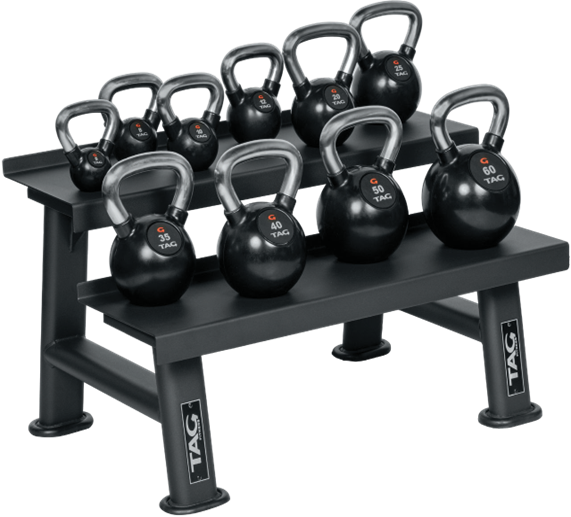
3. You Don't Need a Huge Dumbbell Collection
Traditional fixed dumbbells can take up a surprising amount of space.
If you're starting a home gym, adjustable dumbbells can be an excellent way to get multiple weight options without dedicating an entire wall to dumbbells.
They can be especially useful if you're working with:
- A small garage
- A basement
- A spare bedroom
- A compact workout area
As your gym grows, you can always add fixed dumbbells if you find that they better suit your training.
But you don't need every weight on day one.
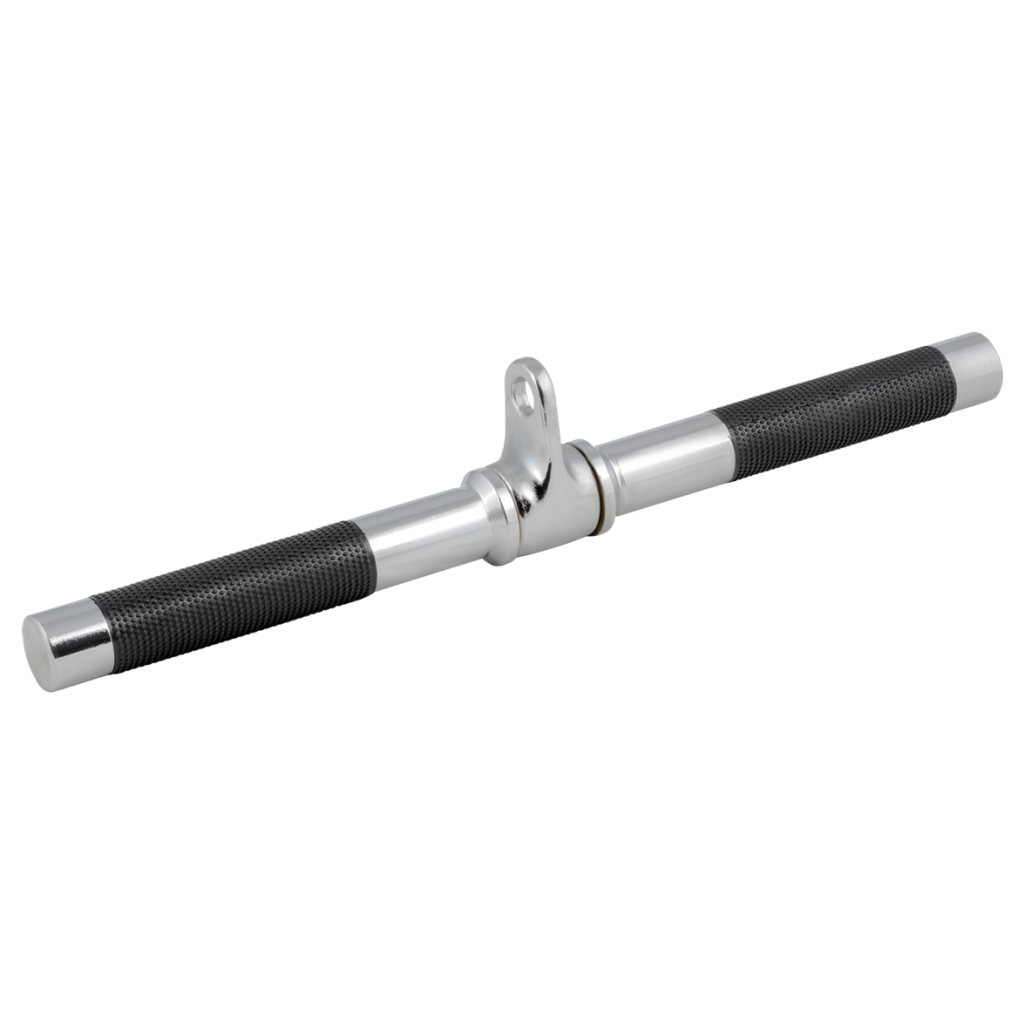
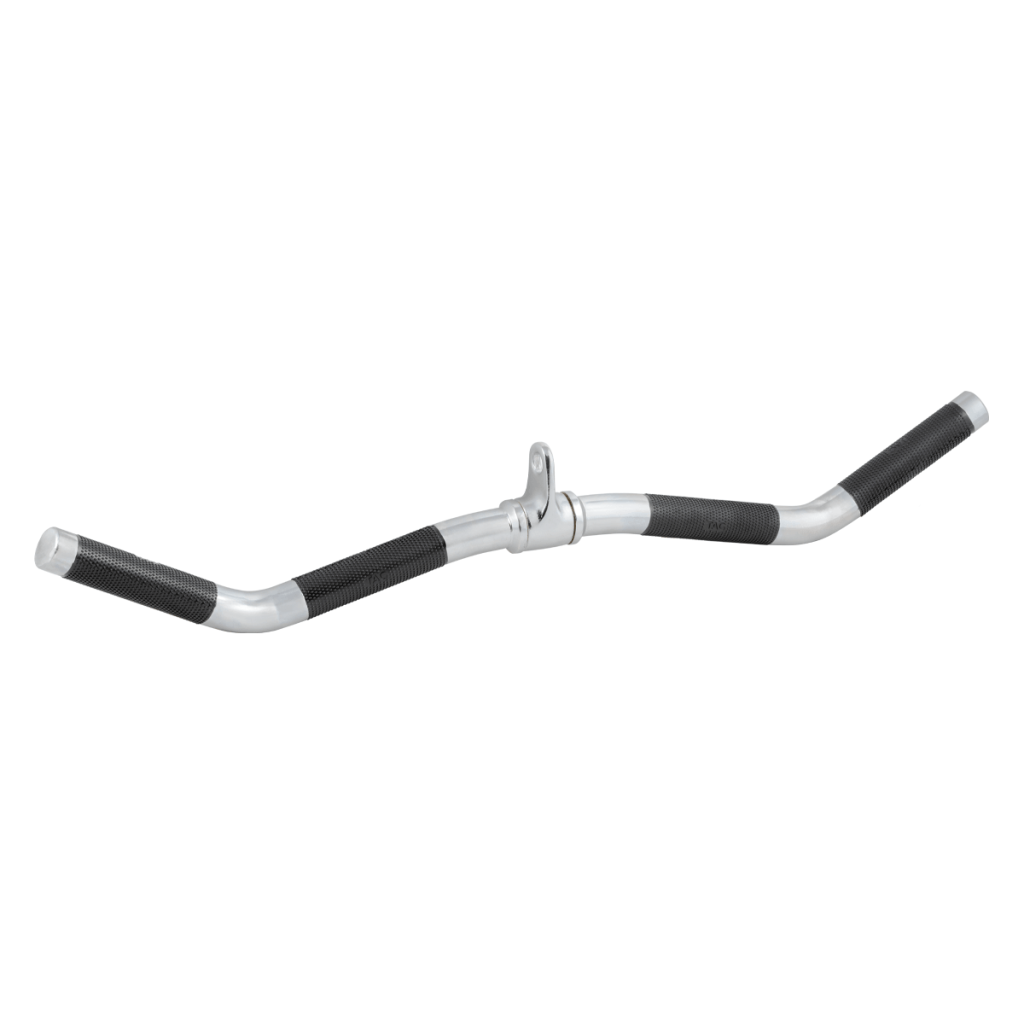
4. You Don't Need Every Specialty Attachment
Once you start shopping for home gym equipment, it's easy to get sucked into the world of accessories.
Different handles.
Bars.
Attachments.
Specialty grips.
Single-purpose tools.
Some of these can be incredibly useful.
But you don't need all of them immediately.
Start with the attachments that allow you to perform the exercises you actually do.
Then add specialty attachments when you have a specific reason for wanting them.
Build your equipment collection based on your training—not the other way around.
5. You Don't Need the Biggest Power Rack
A power rack can be one of the most valuable pieces of equipment in a serious home gym.
But bigger isn't always better.
Before buying one, consider:
📏 Ceiling height
📏 Available floor space
📏 Training style
📏 Storage needs
📏 Whether you want cable functionality
If you have limited space, a more compact rack or a rack/functional trainer combination may make more sense than a massive standalone setup.
The goal isn't to buy the biggest rack you can fit.
It's to buy the rack that fits your gym and your training.
6. You Don't Need to Buy Everything at Once
This might be the most important one.
You don't need to build your dream gym overnight.
In fact, we recommend building your gym in phases.
Phase 1: Start With the Basics
Depending on your goals, this could include:
That's already enough for an incredible number of workouts.
Phase 2: Add More Resistance
Consider adding:
Phase 3: Increase Versatility
Add:
Phase 4: Add Specialty Equipment
Once you've established your routine, you can add things like:
-
Treadmill
- Exercise bike
-
Belt squat
- Other equipment specific to your goals
Your gym can grow with you.
7. What Should You Spend Your Money On?
If you're working with a limited budget, we'd prioritize versatility and quality.
Instead of asking:
"How many pieces of equipment can I buy?"
Ask:
"How many workouts can I do with this equipment?"
That's a much better way to evaluate a purchase.
A piece of equipment that allows you to perform dozens of exercises may provide considerably more value than a machine that only performs one movement.
And for equipment you'll use several times a week for years, quality matters.
Our Favorite Home Gym Strategy: Buy for Your Goals
Before buying anything, ask yourself these five questions:
1. What do I want to accomplish?
Strength?
Muscle?
Fat loss?
Cardio?
General fitness?
2. What exercises do I enjoy?
If you hate running, you probably don't need a treadmill.
If you love lifting, prioritize resistance equipment.
3. How much space do I have?
Measure before you buy.
And don't forget to account for the space you'll need around the equipment to actually use it safely.
4. What's my budget?
Set your budget before you start shopping.
Then prioritize the equipment that will have the biggest impact on your workouts.
5. What will I actually use?
This may be the most important question of all.
The best piece of equipment isn't necessarily the most expensive one.
It's the one that helps you stay consistent.
One of the Best Investments: Multifunctional Equipment
If we had limited space and wanted to maximize the number of exercises we could perform, we'd look closely at multifunctional equipment.
A great example is a half rack + functional trainer combination.
Instead of needing separate pieces of equipment for your rack work and cable training, a combination unit gives you both in one footprint.
For example, The Dane 2.0 Half Rack Functional Trainer combines a half rack and functional trainer in a compact 60-inch footprint.
It includes dual 160-pound weight stacks with a 1:1 pulley ratio, 3" x 3" uprights with 1" holes, adjustable cable positions, and several included attachments.
For someone who wants a serious strength setup without dedicating an enormous amount of space to multiple machines, this type of combination equipment can make a lot of sense.
The Home Gym We Would Build From Scratch
If we were starting completely over, we wouldn't try to buy everything.
We'd start with a setup that gives us the most versatility possible.
Something along the lines of:
Adjustable dumbbells + bench + barbell + plates + rack
Then we'd look at adding a functional trainer or rack/functional trainer combination.
From there, we'd add cardio or specialty equipment based on what we actually found ourselves wanting to use.
That's the beauty of building a home gym.
You get to build it around YOU.
Final Thoughts
You don't need a massive room.
You don't need every machine.
You don't need every accessory.
And you definitely don't need to spend thousands of dollars all at once.
Start with what you need.
Choose versatile equipment.
Buy quality where it matters.
And let your gym grow as your goals and training evolve.
At Stronger Together Fitness, our goal isn't to convince you that you need more equipment.
It's to help you build a home gym that makes sense for you.
Because when you invest in your health, you invest in your future.
Don't Rent Your Gym, OWN IT!
💙 About Stronger Together Fitness
We're Devin and Alyssa McFall—a husband-and-wife team passionate about helping individuals and families build healthier lives through strength training and quality home gym equipment.
As parents of three young children, we know life gets busy. That's why we believe creating a home gym is one of the best investments you can make in your health, your future, and the people you love.
Whether you're building your first home gym or upgrading your dream setup, we're grateful to be part of your journey.
Explore our collections and follow along as we continue building Stronger Together Fitness—one family, one workout, and one home gym at a time.